In the realm of sophisticated materials, where toughness satisfies accuracy, Aluminum Oxide Ceramic stands as a keystone of contemporary design. This humble ceramic, born from the union of light weight aluminum and oxygen, prospers in environments that break lesser products– from the scorching warm of rocket engines to the clean and sterile disorder of semiconductor laboratories. Its secret lies in a microscopic framework that balances solidity, heat resistance, and chemical stability, making it crucial for industries pressing the borders of performance. For a company concentrating on sophisticated porcelains, mastering Light weight aluminum Oxide Porcelain isn’t nearly production; it has to do with empowering clients to develop harder, smarter, and much more reputable options. This write-up explores its atomic wizard, the craft of its production, and the vibrant frontiers it’s dominating today.
The Atomic Toughness of Light Weight Aluminum Oxide Porcelain
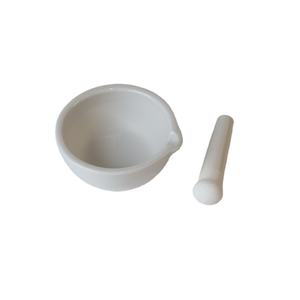
(Aluminum Oxide Ceramic)
To comprehend why Light weight aluminum Oxide Porcelain outperforms lots of steels and plastics, photo a microscopic citadel. Its atoms arrange themselves in a tight cubic latticework, with aluminum and oxygen secured strong ionic bonds– like soldiers in a self-displined development. This structure gives the material three specifying superpowers. Initially, its hardness opponents that of sapphire, allowing it to resist scrapes and wear also under constant friction. Second, it laughs at extreme warmth, remaining steady up to 2000 degrees Celsius, far hotter than most industrial processes call for. Third, it disregards chemical assaults; acids, salts, and even liquified steels move off its surface area without leaving a mark.
What sets Aluminum Oxide Ceramic apart is this atomic harmony. Unlike steels that soften with warmth or plastics that thaw, its inflexible latticework keeps shape and stamina in rough problems. As an example, while steel warps near 500 levels Celsius, Aluminum Oxide Ceramic remains rigid enough to serve as a structural element in heating systems. Its reduced electric conductivity also makes it a safe insulator, securing delicate electronic devices from short circuits. Think about it as a ceramic knight– armored with atomic order, all set to defend against heat, corrosion, and use.
An additional peaceful strength is its density. Though more challenging than several steels, Light weight aluminum Oxide Porcelain is surprisingly lightweight, making it excellent for aerospace components where every gram issues. Its thermal growth is marginal as well; it hardly swells when warmed, stopping fractures in applications with quick temperature level swings. All these attributes originate from that straightforward cubic latticework, proof that atomic layout can redefine product limitations.
Crafting Light Weight Aluminum Oxide Porcelain From Powder to Accuracy
Turning the atomic capacity of Aluminum Oxide Porcelain into a useful item is a blend of art and scientific research. The trip begins with high-purity raw materials: fine aluminum oxide powder, typically originated from bauxite ore and refined to remove pollutants. This powder is the structure– any pollutants might damage the last ceramic, so manufacturers utilize innovative filtration to guarantee 99.9% purity.
Next comes shaping. The powder is pressed into harsh forms using methods like completely dry pressing (using stress in a mold and mildew) or isostatic pushing (pressing powder uniformly in a versatile bag). For intricate shapes, injection molding is made use of, where the powder is combined with a binder and injected into molds like plastic. This step requires accuracy; unequal stress can develop weak spots that fail later.
The essential phase is sintering. The designed powder is discharged in a furnace at temperature levels in between 1600 and 1800 levels Celsius. At this warm, the bits fuse with each other, breaking down pores and developing a thick, monolithic structure. Knowledgeable specialists monitor the temperature level contour very closely– as well quickly, and the ceramic fractures; too slow-moving, and it comes to be brittle. The result is a component with near-zero porosity, prepared for ending up.
Machining Aluminum Oxide Ceramic demands diamond-tipped tools, as also solidified steel would certainly have a hard time to suffice. Service technicians grind and brighten the parts to micrometer resistances, ensuring smooth surface areas for applications like semiconductor providers. Quality assurance checks density, firmness, and thermal shock resistance– going down warm examples into cold water to examine for splits. Only those that pass make the title of Light weight aluminum Oxide Ceramic, a testament to thorough workmanship.
Where Light Weight Aluminum Oxide Ceramic Satisfies Industrial Demands
Real test of Light weight aluminum Oxide Ceramic hinge on its applications– locations where failure is expensive. In semiconductor production, it’s the unsung hero of cleanrooms. Wafer carriers made from Light weight aluminum Oxide Ceramic hold breakable silicon discs during high-temperature processing, withstanding contamination from metals or plastics. Its thermal conductivity also spreads out warm equally, preventing hotspots that can spoil integrated circuits. For chipmakers chasing after smaller, much faster transistors, this ceramic is a guardian of purity.
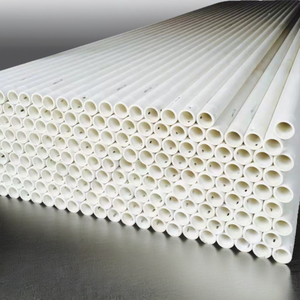
( Aluminum Oxide Ceramic)
Aerospace engineers count on Light weight aluminum Oxide Ceramic for components encountering extreme warmth and tension. Rocket nozzles, for example, sustain temperature levels hotter than liquified lava as exhaust gases rush out. Metals would certainly melt, yet Aluminum Oxide Ceramic maintains its form, guiding thrust effectively. Jet engine sensors utilize it as an insulator, securing delicate electronic devices from the intense core while precisely keeping track of generator health.
Medical tools gain from its biocompatibility– indicating it doesn’t set off immune reactions. Artificial joints made from Light weight aluminum Oxide Ceramic imitate bone hardness, lasting years without wear. Oral implants use it too, mixing perfectly with jawbones. Its sterilizability likewise makes it optimal for medical devices that must withstand autoclaving.
Energy sectors harness its toughness. In solar panel manufacturing, it creates crucibles that hold liquified silicon, standing up to deterioration from the element. Lithium-ion batteries use Light weight aluminum Oxide Ceramic finishes on separators, protecting against short circuits and prolonging battery life. Even atomic power plants line elements with it, as its radiation resistance shields versus activator core damage.
Introducing With Aluminum Oxide Ceramic for Tomorrow
As modern technology progresses, Aluminum Oxide Porcelain is adjusting to brand-new functions. Nanotechnology is a frontier– scientists are developing nano-grained versions with fragments under 100 nanometers. These powders can be mixed right into polymers to make composites that are both solid and light-weight, perfect for drones or electric car components.
3D printing is opening doors. By blending Light weight aluminum Oxide Ceramic powder with binders, designers are publishing complicated forms like latticework heat exchangers or personalized nozzles. This reduces waste and quicken prototyping, letting customers test makes quicker. Though still establishing, 3D-printed Light weight aluminum Oxide Ceramic could soon allow bespoke parts for niche applications.
Sustainability is driving development as well. Manufacturers are discovering microwave sintering to reduce energy use by 30%, lining up with eco-friendly manufacturing objectives. Recycling programs recoup Aluminum Oxide Ceramic from old components, grinding it back into powder for reuse. Scientists are also examining it in hydrogen fuel cells, where its deterioration resistance might extend component life.
Cooperation gas development. Business are partnering with universities to discover quantum computing applications– Light weight aluminum Oxide Porcelain’s shielding buildings might protect qubits from electro-magnetic noise. In wearable technology, flexible versions are being tested for sensors that monitor wellness without annoying skin. The future isn’t practically improving what exists; it has to do with envisioning brand-new usages, and Aluminum Oxide Porcelain is ready to adjust.

( Aluminum Oxide Ceramic)
In the grand tale of sophisticated products, Aluminum Oxide Ceramic is a phase of durability and reinvention. Birthed from atomic order, formed by human skill, and examined in the toughest edges of industry, it has actually become vital to development. From powering chips to launching rockets, from healing bodies to saving power, this ceramic shows that toughness does not have to come at the cost of accuracy. For a firm devoted to excellence, understanding Light weight aluminum Oxide Ceramic means more than marketing an item– it indicates partnering with customers to construct a future where performance knows no bounds. As study pushes boundaries, Aluminum Oxide Porcelain will keep driving industrial technology, one atom at a time.
TRUNNANO chief executive officer Roger Luo claimed:” Light weight aluminum Oxide Porcelain is crucial in essential industries, innovating constantly to drive commercial progress and adapt to new obstacles.”
Distributor
Advanced Ceramics founded on October 17, 2012, is a high-tech enterprise committed to the research and development, production, processing, sales and technical services of ceramic relative materials and products. Our products includes but not limited to Boron Carbide Ceramic Products, Boron Nitride Ceramic Products, Silicon Carbide Ceramic Products, Silicon Nitride Ceramic Products, Zirconium Dioxide Ceramic Products, etc. If you are interested in zirconia toughened alumina ceramics, please feel free to contact us.
Tags: alumina ceramics,alumina oxide,alumina oxide ceramic
All articles and pictures are from the Internet. If there are any copyright issues, please contact us in time to delete.
Inquiry us